
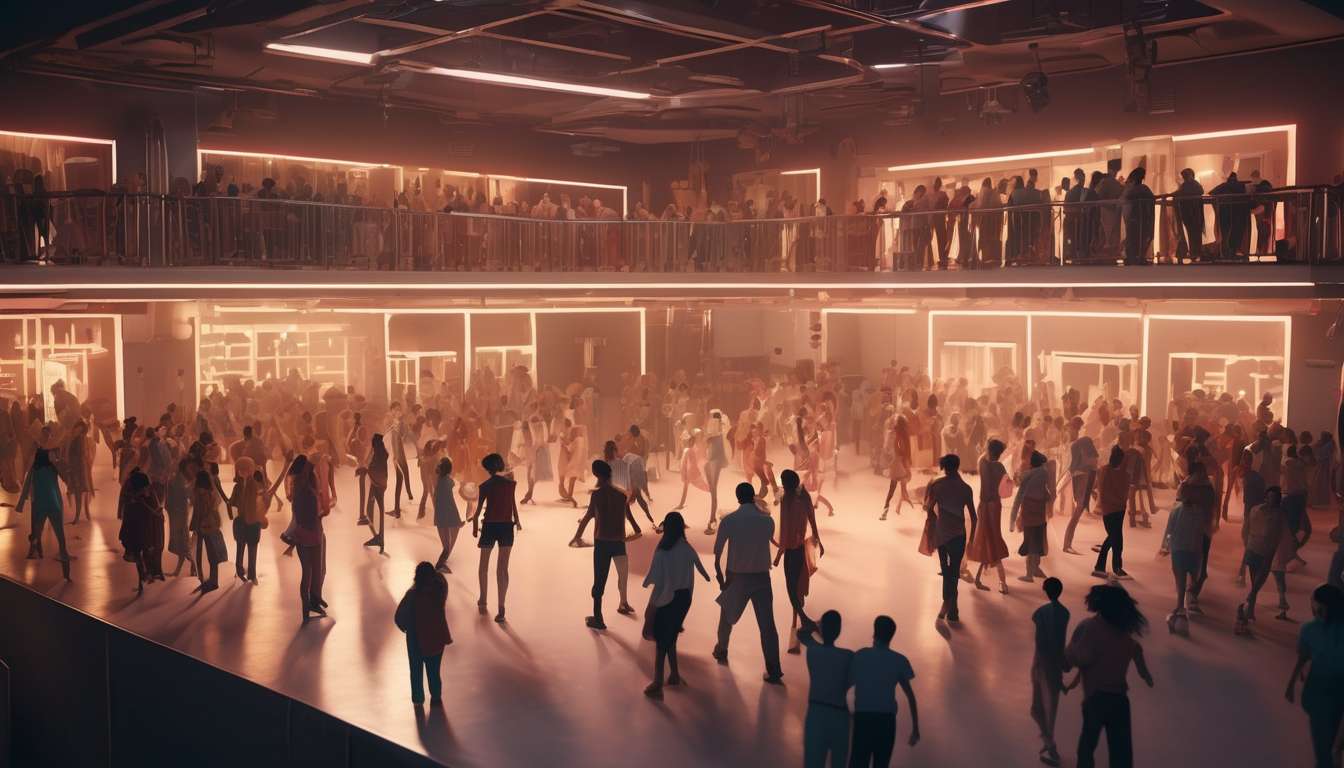
A lighted lighthouse guides ships through fog; similarly, safety policies guide responsible management of dance venues.
We recognize that a vibrant nightlife depends on more than music and attendance — it relies on clear rules, trained staff, and predictable procedures that protect performers, patrons, and property.
As venue operators, promoters, and community stakeholders, we balance artistic expression with practical safeguards, crafting policies that are both firm and flexible.
We design crowd-control plans, emergency-response protocols, and alcohol-service guidelines that are informed by local law and grounded in empathy.
We train teams to:
- Spot risks.
- Communicate calmly under pressure.
- De-escalate conflicts before they escalate into harm.
We document incidents, review outcomes, and adapt our policies as our spaces evolve.
By treating safety policies as living tools rather than bureaucratic burdens, we create environments where creativity flourishes and people feel secure — a foundation for sustainable, responsible nightlife that serves everyone involved.
Legal and Regulatory Compliance
We ensure the venue meets all applicable laws, licensing requirements, and local regulations to protect guests, staff, and the business.
We take a proactive stance on permits, insurance, and documentation.
- We register and renew required permits.
- We maintain adequate insurance coverage.
- We document compliance so staff and management can demonstrate adherence when needed.
We align venue policies with local ordinances and safety limits—including noise rules, capacity limits, and age-restriction laws—to support safe crowd management without singling anyone out.
We train staff on legally required procedures for alcohol service with emphasis on identification checks, refusal techniques, and responsible recordkeeping to protect patrons and the community.
We coordinate with local authorities and emergency services to refine emergency response plans.
- We run regular drills.
- We maintain clear evacuation routes.
- We keep communication protocols current and practiced.
We involve the team in regular reviews of regulatory updates so everyone adapts together and stays accountable.
We provide transparent signage and accessible policy summaries for guests to reinforce that compliance isn’t just regulation — it’s how we keep everyone safe, respected, and welcome on the dance floor.
Crowd Management Strategies
We design clear entry, movement, and egress plans that keep people flowing safely and prevent dangerous congestion.
We map capacity limits, sightlines, and pinch points so everyone knows where to stand, dance, and move; this shared understanding builds trust and belonging.
We assign trained staff to monitor densities, guide queues, and rehearse quick reconfiguration of barriers.
Our crowd management includes visible communication—signage, public-address prompts, and approachable team members—so guests feel seen and supported.
We coordinate alcohol service with pacing strategies and trained servers who watch for overconsumption, intervene respectfully, and ensure patrons get water and seating options.
We establish designated staff roles linking crowd management to emergency response teams without duplicating procedural details reserved for the next section.
We solicit attendee feedback after events to refine layouts and staffing.
By combining data-driven layouts, compassionate staff training, and clear communication, we create welcoming spaces where people can enjoy events together while risks are minimized and everyone feels part of a safe community.
Emergency Response Procedures
We’ll establish clear, practiced procedures and chain-of-command roles so staff can act quickly and confidently during any incident.
We train together on evacuation routes, medical aid basics, and communication protocols so everyone knows their part.
We run regular drills that mirror realistic crowd-management scenarios, ensuring our team moves patrons calmly to safe zones and keeps exits unobstructed.
We coordinate with local emergency services, share floor plans, and maintain up-to-date contact lists so outside responders integrate smoothly.
We equip stations with first-aid kits, automated external defibrillators (AEDs), and radios, and we assign recovery roles to support patrons after an incident.
We document incidents promptly, review responses in team meetings, and update procedures based on lessons learned.
We factor in alcohol-service realities when planning:
- Monitor patron behavior.
- Increase supervision during peak times.
- Ensure impaired guests receive timely care without judgment.
We’re committed to a culture where everyone feels responsible and supported, so our emergency response protects patrons and staff alike.
Alcohol Service Policies
We’ll enforce clear, legal, and consistent alcohol policies that prioritize patron safety and staff accountability.
Key elements:
- Limits on servings to prevent overconsumption.
- Mandatory ID checks for age verification.
- Refusal protocols and de-escalation procedures when service is denied.
Why this matters: Controlled service reduces conflicts and supports predictable crowd flows at entrances, bars, and exits.
We coordinate alcohol service with venue capacity plans and visible signage so patrons know what to expect and belong to a shared culture of safety.
Coordination actions:
- Align service levels with capacity to avoid overcrowding.
- Post clear signage about service limits, ID requirements, and behavior expectations.
- Designate sober points and quick-access routes for patrons who need assistance.
Integration with emergency planning: These measures are tied into emergency response maps and communication channels so help can be deployed quickly and efficiently.
We monitor lines and bar areas to prevent bottlenecks, staggering service during peak sets to support calm movement.
Operational practices:
- Active monitoring of queue lengths and bar crowding.
- Staggered service during peak periods to spread demand.
- Staff positioning to guide flows and intervene early.
We document incidents and review service patterns after events, adjusting policies based on what keeps our community safest.
Continuous improvement process:
- Record incidents and near-misses.
- Analyze service patterns and crowd flow data.
- Update policies and staff training accordingly.
By treating alcohol service as part of overall safety design, we protect patrons, support staff, and strengthen trust across our venue.
Staff Training Programs
We’ll train all staff on consistent safety protocols, de-escalation techniques, and emergency procedures so everyone can act confidently and cohesively during events.
We design training to build a shared sense of responsibility.
- Practical drills
- Role-plays
- Clear checklists
These tools help each team member know their role.
We cover crowd management tactics that prevent congestion, maintain sightlines, and create accessible exit paths.
We practice coordinated emergency response routines, with staff rotating through lead and support positions so backups are ready.
We include certified modules on alcohol service to ensure responsible selling, spotting intoxication, and safely managing service refusals.
We assess competency with observed shifts and short quizzes, then provide refreshers before peak nights.
We encourage staff feedback and incorporate their suggestions into revisions, reinforcing belonging and ownership.
We document training completion and schedule periodic re-certification, keeping standards current with local regulations.
Our approach is practical, inclusive, and measurable, so everyone feels prepared and connected to the venue’s shared safety mission.
Performer and Patron Safety
We’ll prioritize clear protocols and physical measures that protect both performers and patrons.
- Stage barriers that protect performers without isolating them.
- Sightline maintenance to prevent surprises for performers and audience.
- Accessible egress and routes that let people leave quickly and calmly.
- Routines for handling harassment, medical issues, or intoxication so everyone knows their role.
We’ll design spaces and train teams so everyone feels included and safe.
- Sightlines that prevent surprises.
- Barriers that balance protection and connection.
- Routes and signage that support calm, orderly exits.
We’ll use proven crowd management tactics to keep movement orderly and reduce risk.
- Assign visible staff to monitor crowds and intervene early.
- Train staff in empathetic de-escalation techniques.
- Use physical layout and staffing patterns to prevent bottlenecks.
We’ll integrate alcohol service policies that limit overconsumption and ensure servers intervene appropriately.
- Policies that prioritize guest safety while avoiding stigma.
- Server training on recognizing intoxication and intervening supportively.
- Clear communication to patrons about limits and support options.
We’ll rehearse emergency response roles with staff and performers so actions are automatic if medical or security needs arise.
- Regular drills for medical, security, and evacuation scenarios.
- Clear role assignments and communication protocols.
- Post-incident debriefs to improve response.
We’ll encourage patrons and artists to speak up, knowing reports will be taken seriously and handled respectfully.
- Multiple reporting channels (in-person, anonymous, digital).
- Confidential triage and follow-up procedures.
- Support resources for affected individuals.
We’re committed to a shared culture where prevention, preparedness, and care make the venue a welcoming place for everyone.
- Ongoing training, review, and community engagement.
- Transparent policies and consistent enforcement.
- Continuous improvement based on feedback and incidents.
Incident Reporting Systems
We’ll implement clear, accessible incident reporting systems so staff, performers, and patrons can quickly report concerns, track responses, and get support.
Multiple reporting options will be offered so everyone can choose what feels safe:
- Mobile form
- Staffed kiosk
- Confidential hotline
Reports will capture key details to enable prompt, appropriate action:
- Location and time
- Involved parties
- Crowd management factors
- Alcohol service context
- Any medical needs
We’ll train our team to receive reports with empathy and to log them consistently, ensuring follow-through and transparent updates to the person who reported.
The system will flag incidents that require escalation and will guide immediate steps to protect people and preserve evidence, including when to involve emergency response teams or external authorities.
We’ll protect privacy and limit access to reports, using anonymized data to identify patterns without singling anyone out.
By making reporting straightforward and supportive, we’ll strengthen trust, improve safety, and reinforce that everyone belongs and is heard.
Policy Review and Adaptation
We will regularly review and adapt our safety policies to reflect incident data, stakeholder feedback, and evolving best practices.
We will set fixed review intervals and trigger points after notable incidents so changes aren’t sporadic.
We will gather both quantitative and qualitative input to ensure everyone feels heard and included:
-
Quantitative metrics:
- Incident reports
- Near-miss counts
- Alcohol service–related complaints
-
Qualitative input:
- Staff
- Performers
- Vendors
- Patrons
We will analyze operational performance and revise procedures where gaps appear.
- Review how crowd management performed during events.
- Assess whether emergency response protocols were clear and practiced.
- Identify gaps and revise:
- Role assignments
- Communication trees
- Training requirements
We will test updates through drills and tabletop exercises and document revisions, rationale, and expected outcomes so staff trust that policies evolve logically and transparently.
We will monitor legal and public‑health guidance and adjust alcohol service rules and capacity limits as needed.
By keeping stakeholders involved and making evidence‑based decisions, we will strengthen safety while nurturing a venue culture where everyone belongs and contributes to a safer, more welcoming experience.
How do safety policies address accessibility and accommodations for patrons with disabilities beyond standard legal requirements?
We will explain how safety policies go beyond legal requirements to support patrons with disabilities.
Proactive environmental measures:
- Sensory-friendly events (reduced sound, adjusted lighting, predictable schedules).
- Designated quiet spaces where patrons can retreat if overwhelmed.
- Clear signage in multiple formats (large print, high-contrast, Braille, pictograms).
Staff training and emergency procedures:
- Train staff in disability etiquette and communication best practices.
- Train staff in assisted emergency evacuation techniques that prioritize dignity and individualized needs.
Accessible seating and ticketing practices:
- Provide advance-access seating options and companion seating near those spaces.
- Offer flexible ticketing (easy exchanges, refunds, or last-minute changes) to accommodate medical or sensory needs.
Communication and assistive technologies:
- Provide communication aids (captioning, sign language interpreters, assistive listening devices, written materials on request).
- Ensure multiple channels for pre-event questions and accommodations (phone, email, online form).
Community engagement and continuous improvement:
- Regularly consult disability-led organizations and patrons with lived experience to review and update policies.
- Use feedback loops (surveys, focus groups, advisory panels) to ensure policies evolve and meaningfully foster belonging and dignity.
What measures are recommended to minimize noise-related health impacts on staff and performers (hearing protection, sound-level monitoring, shift rotations)?
Goal: Minimize noise-related health impacts on staff and performers.
Provide quality ear protection.
- Offer custom-molded earphones/earplugs for long-term comfort and best attenuation.
- Supply high-quality disposable earplugs for visitors, temporary staff, and backup use.
Install continuous sound-level monitoring with visible alerts.
- Use monitors that display real-time dB levels in key locations.
- Configure visual and/or audible alerts when levels approach or exceed set thresholds.
Enforce exposure limits and manage schedules.
- Define and apply exposure limits (e.g., OSHA/NIOSH guidance) for cumulative daily noise.
- Rotate staff and performer schedules to reduce individual cumulative exposure.
Offer regular hearing tests and training.
- Provide baseline and periodic audiometry for staff and performers.
- Train personnel on correct use, care, and selection of hearing protection and on recognizing symptoms of overexposure.
Design acoustics to absorb excess sound.
- Install acoustic treatments (panels, baffles, curtains) and optimize stage/monitoring setups to reduce overall SPLs.
Incident review and recovery support.
- Review noise incidents promptly to identify cause and corrective actions.
- Support recovery time for affected individuals and document follow-up.
Include hearing care in wellness benefits.
- Cover hearing protection, hearing tests, and any recommended treatment or referrals in employee wellness plans.
How can a venue integrate mental health support for staff and patrons, such as de-escalation by trained counselors or on-call mental health professionals?
Integrate mental health support through staff training and environment design.
- Train staff in compassionate de-escalation.
- Create quiet recovery spaces for visitors who need time away.
- Partner with local counselors for on-call coverage and schedule trained responders for busy events.
Advertise and signpost available resources.
- Promote crisis lines and local counseling services visibly throughout the venue.
- Provide clear information at entrances, ticketing points, restrooms, and online channels.
Offer regular wellbeing programs and peer support.
- Schedule regular wellbeing check-ins for staff and volunteers.
- Establish peer-support groups to build community and early support networks.
Normalize help-seeking with inclusive, trauma-informed policies.
- Implement visible policies that encourage seeking help without stigma.
- Adopt trauma-informed practices in interactions and procedures.
- Ensure services are LGBTQ+-inclusive so everyone feels welcome, supported, and safe while at the venue.
Conclusion
You’ve seen how clear safety policies keep dance venues lawful, secure, and welcoming.
By following crowd-management tactics, emergency procedures, and responsible alcohol service, you’ll reduce risks and protect everyone inside.
Train staff, support performers, and maintain straightforward incident reporting so problems get fixed fast.
Review and adapt policies regularly to match changing laws and lessons learned.
Stay proactive — consistent, practiced safety measures make your venue both safer and more enjoyable for all.