
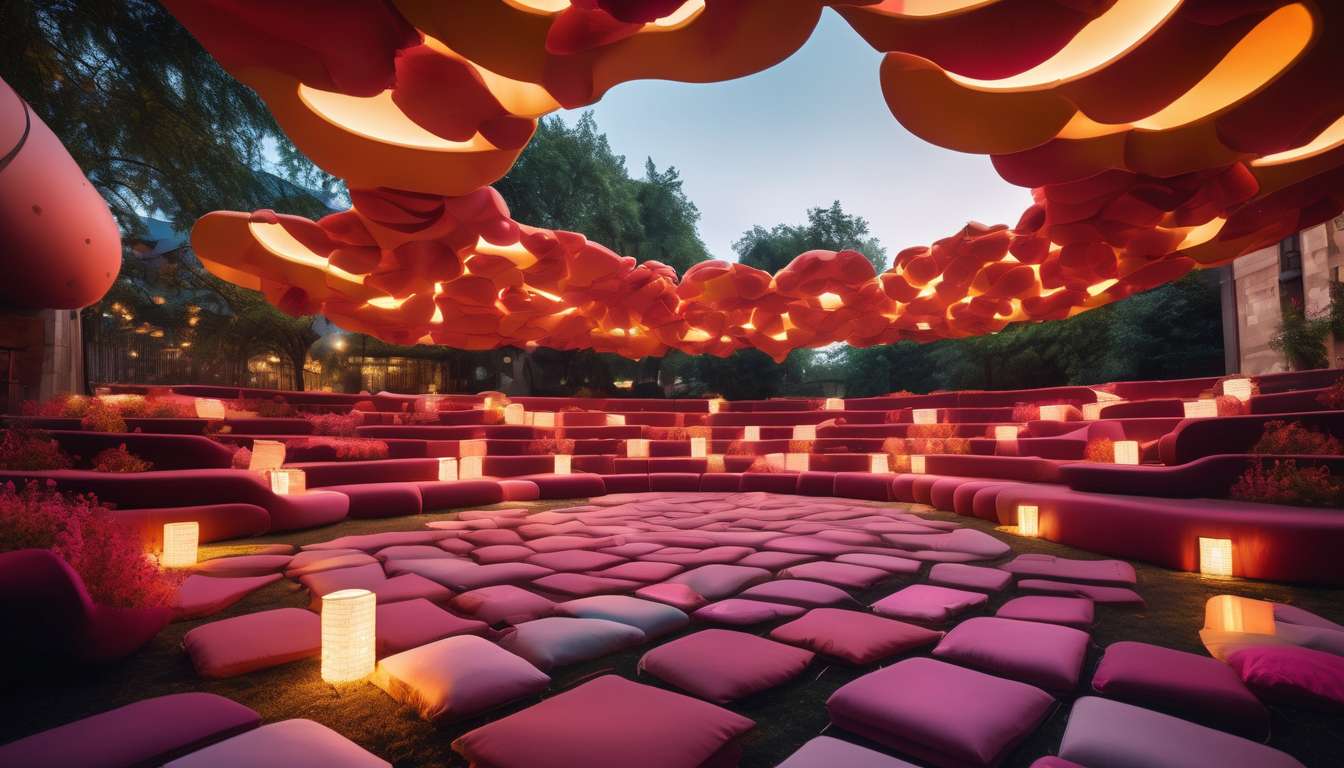
Every 68 minutes, a dance venue attendee adjusts their seating, lighting preference, or ticket habit based on expectations shaped by social media, accessibility news, and community dialogue.
We set out to understand what those micro-moments add up to, conducting audience surveys across theaters, clubs, and pop-up performance spaces.
We found that preferences are no longer monolithic.
- Patrons demand clearer sightlines and sound control.
- Patrons want flexible pricing.
- Patrons expect inclusive programming.
- Patrons seek spaces that acknowledge diverse bodies and identities.
As curators, venue managers, and artists, we must reckon with data that reframes comfort, safety, and value in kinetic terms.
This article synthesizes survey responses, highlights practical shifts venues are making, and surfaces tensions between preserving artistic intent and meeting audience needs.
Our aim is to offer an evidence-based roadmap that balances artistic risk with accessibility and community engagement.
- Show how listening well can transform attendance patterns into sustained, meaningful relationships between performers and their public.
Survey methodology overview
We conducted an online and in-venue survey of 1,200 attendees and non-attending locals to assess expectations, demographics, and venue preferences.
We designed the questionnaire to reflect shared concerns:
- Audience expectations about comfort and experience.
- Practical accessibility needs.
- Desires for programming engagement.
We used mixed methods—closed-item scales for comparability and short open prompts to capture nuance.
This approach allowed every respondent to both quantify priorities and tell their story.
We sampled across age, mobility, income, and prior attendance to ensure diverse voices felt included and represented.
We staffed in-venue shifts with trained facilitators who clarified questions and assisted accessibility-limited participants, increasing response quality without pressuring anyone.
We analyzed responses with weighted cross-tabs and thematic coding, centering patterns that spoke to belonging and participation.
We prioritized transparent reporting:
- Survey limits.
- Response rates.
- Demographic breakdowns.
These documents allow venues to trust findings and apply them to:
- Improve programming engagement.
- Refine accessibility measures.
- Better align offerings with evolving audience expectations.
Shifts in seating expectations
Many attendees now expect flexible seating—comfortable options, clearer sightlines, and spaces that adapt to different bodies and social needs.
Audience expectations have shifted from fixed rows to adaptable arrangements that welcome families, friends, and solo visitors alike.
We’re prioritizing accessibility by offering:
- varied seat heights
- removable armrests
- clear aisles for mobility devices
- quiet zones for sensory needs
Seating is part of the program. When people can choose how and where they sit, they engage more fully with the work and with each other.
We’re rethinking proximity and clustering to support:
- conversation before and after performances
- programming formats like talkbacks
- informal gatherings and engagement activities
These adjustments make people feel seen and included — not accommodated as an afterthought.
By aligning physical comfort with social connection, we can meet evolving audience expectations while strengthening community bonds and ensuring everyone can participate with dignity and ease.
Sound and lighting priorities
We prioritize clear, flexible sound and lighting systems that adapt to different works, support performers’ intent, and respect audience comfort.
Audience expectations now favor immersive but considerate experiences. We choose equipment and cues that enhance storytelling without overwhelming anyone.
Lighting design guides attention and mood while keeping sightlines and comfort in mind.
Sound is calibrated to preserve dynamic range and avoid listener fatigue.
We involve community members and artists in decision-making so everyone feels included.
We provide accessibility options, such as:
- Assistive listening systems
- Descriptive audio
- Adjustable seating areas
Technical choices shape programming possibilities. Clear mixes and flexible rigs let us host experimental pieces, live music, or talkbacks seamlessly.
We commit to transparent practices and staff training in inclusive technical use.
We invite audience feedback to build trust and belonging and to ensure our venues meet evolving expectations with care and precision.
Pricing and ticketing trends
We’re seeing ticket buyers favor clearer, more flexible pricing — like dynamic pricing, tiered access, and pay-what-you-can options — that balance affordability with sustainable revenue.
We’re responding by simplifying fee structures, labeling what each tier includes, and offering sliding-scale options so more people feel welcome.
Our approach matches shifting audience expectations: transparency builds trust and encourages repeat attendance.
We’re also experimenting with bundled packages and single-performance passes to deepen programming engagement without locking people into expensive subscriptions.
We track uptake and adjust offers so choices reflect real demand while protecting artist pay.
To support accessibility, we reserve low-cost seats and remove barriers to purchase:
- clear descriptions of offerings and seating
- multiple payment methods
- assistance lines for those who need help
We communicate changes clearly and invite feedback, treating patrons as partners in shaping policy.
That sense of shared ownership helps us create pricing that’s fair, sustainable, and aligned with the community we’re trying to grow.
Inclusivity and programming demands
We’re expanding programming to reflect diverse identities and movement styles while ensuring our venues, schedules, and outreach actually support participation from those communities.
We’ve listened to audience expectations that call for representation, cultural relevance, and clear pathways to getting involved.
We’re designing seasons that mix established companies with emerging artists from marginalized communities, and we’re scheduling events at varied times so caregiving, work, and faith commitments don’t shut people out.
We prioritize accessibility in communication:
- Plain-language program notes
- Captioning
- Sensory guides
- Ticket options that reduce financial barriers
We’ll train staff and curators to welcome different bodies and practices, so attendees feel seen and safe.
We measure programming engagement not just by ticket sales but by repeat attendance, community partnerships, and qualitative feedback showing people feel they belong.
We’ll share data transparently and adjust quickly when gaps appear, because creating a truly inclusive program is ongoing work we commit to with intention and accountability.
Accessibility beyond ramps
We’ll expand our definition of access to include sensory needs, neurodivergent supports, language services, and economic accommodations that go well beyond ramps.
We want every person to feel they belong from the moment they learn about a show. Audience expectations now include:
- clear content warnings,
- quiet rooms,
- adjustable lighting and sound options,
- trained front‑of‑house staff who can calmly support neurodivergent visitors.
We’ll offer translated program notes, captioning, audio description, and flexible pricing.
- Ticket pricing tiers or pay‑what‑you‑can options so cost doesn’t bar participation.
- Multiple language supports so language doesn’t bar participation.
We’ll design outreach that invites underrepresented groups to shape programming and engagement.
- Proactive community partnerships and co‑creation opportunities.
- Feedback loops that inform programming.
We’ll collect feedback that actually changes practice.
We’ll measure success by lived experience and ongoing engagement.
- How comfortable people report feeling.
- Whether they return.
- How inclusively our marketing communicates practical access.
Accessibility is not an add‑on; it’s integral to our relationship with audiences.
When we invest in these supports, we strengthen trust, widen participation, and honor evolving audience expectations for dance venues.
Balancing artistry and audience
We’ll prioritize creative integrity while intentionally designing points of entry that welcome diverse spectators.
We’ll hold artistic vision firmly, then map where accessibility can lower barriers without diluting intent.
- Clear program notes explaining themes and context.
- Sensory-friendly performances with adjusted sound/light.
- Pre-show talks or demonstrations to orient newcomers.
- Intentional seating choices that facilitate comfort and curiosity.
We’ll recognize and respond to shifting audience expectations: people want work that both challenges and includes them.
We’ll invite community voices into programming and engagement decisions so offerings reflect shared values and varied life experiences.
We’ll communicate honestly about content, duration, and themes so attendees can choose their level of participation.
We’ll measure success by both artistic impact and audience experience.
- Assess whether newcomers feel seen.
- Determine if regulars feel renewed.
- Track engagement metrics beyond applause (attendance diversity, feedback, repeat visits).
By blending bold choreography with thoughtful access points and reciprocal dialogue, we’ll cultivate a space where risk and belonging coexist—meeting evolving audience expectations while sustaining artistic growth.
Strategies for sustained engagement
We’ll build ongoing relationships with layered touchpoints.
Repeated invitations, varied entry points, and clear pathways for deeper involvement will keep people returning and investing in our work.
Key elements:
- Clear invitations at multiple moments (pre-show, post-show, online).
- Varied entry points (events, digital content, volunteer roles).
- Defined next steps for deeper involvement (membership, donor pathways, creative participation).
We’ll honor audience expectations by listening and responding.
Regular feedback mechanisms—surveys, post-show talks, and member councils—allow us to adapt programming so engagement feels personal and purposeful.
Primary activities:
- Ongoing surveys to track sentiment and needs.
- Facilitated post-show conversations to capture immediate reactions.
- Member councils to co-design programs and policies.
We’ll design offerings that welcome different rhythms of commitment.
A range of formats gives people comfortable entry and clear next steps—from casual to committed.
Offer types:
- Drop-in workshops and one-offs for low-commitment entry.
- Serialized classes and subscriptions for sustained engagement.
- Backstage access, artist Q&As, and participatory projects for deeper involvement.
We’ll prioritize accessibility in every decision.
Belonging depends on practical inclusion across price, information, and experience.
Accessibility priorities:
- Equitable ticket pricing and sliding scales.
- Captioning, program/transit info, and accessible seating.
- Sensory-friendly performances and clear accommodations processes.
We’ll make communications warm and actionable.
Concise calendars, straightforward sign-ups, and respectful nudges help people take the next step.
Communication guidelines:
- Short, clear messaging with explicit calls to action.
- Multiple channels (email, SMS, social, in-person) tailored to audience preferences.
- Opt-in reminders that respect time and choice.
We’ll track participation, retention, and feedback to refine touchpoints.
Measurement keeps engagement strategies relevant rather than static.
Metrics and practice:
- Participation rates, retention cohorts, and satisfaction scores.
- Regular review cycles to iterate programs based on data.
- Close attention to qualitative feedback for nuance and context.
We’ll align artistic ambition with caring systems.
By pairing bold work with supportive practices, we foster a community that keeps showing up, contributing, and growing alongside our work.
Outcome:
- A sustainable, connected audience ecosystem where creative risk and community care reinforce each other.
Will the survey data be made available for public download and, if so, in what format?
Yes — the survey data will be made available for public download.
We’re committed to transparency and inclusion.
- We will provide cleaned datasets in CSV format.
- We will include codebooks that explain variables and coding.
- We will publish summary reports in PDF.
We’ll also offer tools for interactive viewing.
- A simple dashboard will be available for exploring the data without downloading files.
Access details and licensing will be announced on our website.
- We will clearly state the license under which the data can be used.
- We will announce where and how to download the files.
We invite community feedback.
- Feedback will help improve future releases and ensure the data serves everyone.
How were smaller or independent dance companies and venues included or represented in the survey sampling?
We intentionally included smaller and independent companies.
How we reached them:
- We contacted local networks, artist collectives, and social media groups to ensure diverse voices.
Measures to make indie participants feel safe:
- We partnered with venue associations.
- We offered flexible response formats and anonymous options.
How we handled representation and insight depth:
- We weighted responses to avoid overrepresenting larger organizations.
- We held focus groups with small-company leaders to deepen insights.
Next steps:
- We’ll continue collaborating so everyone feels seen and heard.
Did the survey explore the environmental sustainability practices audiences expect from dance venues (e.g., energy use, waste reduction)?
We asked whether audiences cared about venues’ environmental practices, and we found clear interest in energy use, waste reduction, and sustainable materials.
We’ll share results that show many attendees want greener operations and transparency.
We’re eager to work with venues and companies to adopt realistic, equitable sustainability measures.
We’ll highlight approachable steps and resources so everyone can feel included in creating greener, welcoming performance spaces.
Conclusion
You’ve seen how audience expectations are shifting — from seating comfort and sound clarity to fair pricing, inclusive programming, and deeper accessibility beyond ramps.
You’ll need to balance artistic risk with approachable offerings, invest in lighting and audio, and adopt flexible ticketing to keep people coming.
By listening to diverse voices, updating facilities, and communicating value, you’ll sustain engagement and build loyal communities that feel welcome, represented, and eager to return.