
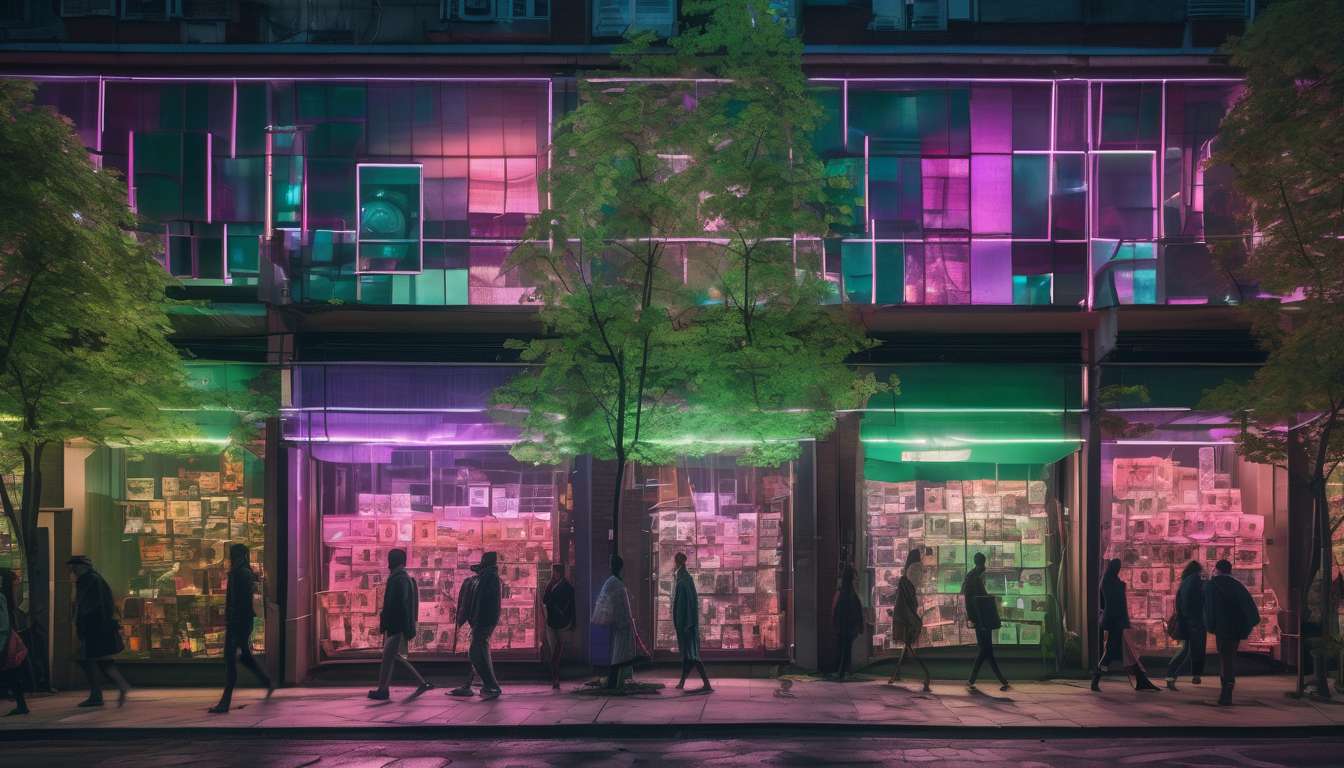
Istanbul’s skyline and our favorite late-night alleyways might seem unrelated, but they’re entwined by the same redevelopment forces reshaping established nightlife districts worldwide.
We watch as developers repurpose warehouses into sleek mixed-use towers while long-standing bars and clubs confront rising rents, shifting clientele, and new licensing regimes.
We remember nights spent beneath neon signs and the music that stitched neighborhoods together; now we map those memories onto zoning plans, economic forecasts, and preservation debates.
As urban planners, patrons, and small-business allies, we grapple with competing priorities: revitalization promises jobs and safety, yet often erases the improvisational culture that made places unique.
We ask how to reconcile investment with cultural continuity, how to ensure vibrant night economies survive alongside new residential density.
This article traces those unexpected connections—between capital flows, municipal policy, and nocturnal communities—to show how redevelopment can either hollow out or reimagine the city’s after-dark life.
Nightlife Under Pressure
We’re watching long-standing clubs and bars get squeezed by rising rents, construction noise, and changing zoning rules.
These pressures reshape blocks where we’ve shared late nights, familiar DJs, and collective memories.
Nightlife zoning updates often prioritize new mixed-use developments over the venues that foster belonging.
Permit changes and stricter hours fragment our routines, forcing beloved spots to scale back or close.
This is cultural displacement: familiar rhythms fading as spaces become unaffordable or repurposed.
We’ll fight for clearer protections to keep nightlife livelihoods and culture intact:
- Flexible zoning that recognizes the unique needs of live music and small bars.
- Rent-relief policies and stabilization measures to keep grassroots operators viable.
- Permit processes reformed to reduce onerous delays and arbitrary restrictions.
We aim to build coalitions of patrons, proprietors, and planners so redevelopment includes, rather than erases, our culture.
If we act intentionally, redevelopment can renew infrastructure without sacrificing the social fabric that makes our nights feel like home.
Drivers of Redevelopment
Several intersecting forces are driving the redevelopment reshaping our nightlife districts — from real estate speculation and municipal incentives to rising demand for mixed-use housing.
Urban redevelopment is often framed as progress.
- Developers and city planners promote denser, mixed-use projects that promise safer streets and more housing.
- These projects can revitalize areas and attract new residents and businesses.
Nightlife zoning is changing to reconcile residential conversion with late-night activity.
- Changes often prioritize noise controls, permit restructuring, and stricter hours.
- The goal is to reduce conflicts between new residents and existing venues, though outcomes vary.
Public policy choices and private investment interact to shape redevelopment.
- Incentives like tax abatements and streamlined approvals lower barriers for redevelopment.
- Investor appetite raises property values, which accelerates conversion and redevelopment.
Redevelopment raises concerns about cultural displacement and the loss of long-standing venues.
- Neighborhoods can feel more welcoming to newcomers while pushing out communities tied to existing nightlife.
- Restrictive licensing and rising rents can price out venues that foster local culture.
By clearly naming the drivers — from policy shifts to market pressures — communities can work together to shape redevelopment that preserves belonging and supports diverse nighttime economies.
Economic Impacts
We’ll assess how redevelopment alters local economies—shifting jobs, tax revenues, property values, and the viability of small nightlife businesses.
Urban redevelopment brings new investment, higher foot traffic, and increased municipal revenues, but those gains aren’t shared equally.
- Many benefit from safer streets and better infrastructure.
- Others face rising rents that squeeze out long-standing venues and staff.
When property values climb, informal workers and small proprietors often lose their foothold, creating cultural displacement that erodes the neighborhood character we value.
We have to balance growth with protections that keep our community intact.
- Targeted subsidies
- Affordable commercial leases
- Support for legacy businesses so workers and owners can stay
Thoughtful impact assessments help predict tax gains against job losses, letting us design policies that keep livelihoods and local culture together.
By centering inclusion, we can shape nightlife zoning outcomes to sustain both economic vitality and the sense of belonging that defines our districts.
Zoning and Licensing
Let’s examine how zoning rules and licensing procedures shape who can open, operate, and sustain nightlife venues in our districts.
Urban redevelopment rewrites maps: new mixed-use zones, increased permit fees, and restricted operating hours change the calculus for small operators. Nightlife zoning decisions often favor large developers who can absorb compliance costs and campaign for variances, while community-focused venues struggle with shifting allowable uses.
We want policies that keep our neighborhoods vibrant and inclusive.
- Advocate for transparent licensing processes, reasonable fees, and flexible zone classifications that recognize diverse night economies — from music spaces to late-night cafés.
- Push for streamlined permitting, and predictable noise and safety standards.
- Develop support programs (technical assistance, grant access, conditional use pathways) that lower barriers for local entrepreneurs.
By treating zoning and licensing as tools for stewardship rather than exclusion, we can guide urban redevelopment to reinforce belonging, protect legacy operators, and ensure a resilient nightlife ecosystem without repeating patterns of cultural displacement.
Cultural Displacement
We’re seeing long-standing venues and communities pushed out as new developments raise rents, change neighborhood character, and prioritize profit over cultural continuity.
We feel cultural displacement when familiar sounds, faces, and rituals vanish under shiny facades and luxury units.
As neighbors and patrons, we watch cherished clubs, community arts spaces, and late-night eateries close because urban redevelopment favors higher-return uses and stricter nightlife zoning that limits where culture can thrive.
We’re not just losing buildings; we’re losing shared history, informal networks, and welcoming corners where people connect.
To preserve belonging, we need policies that balance investment with protections:
- Flexible nightlife zoning that acknowledges diverse hours and mixed uses.
- Rent stabilization for cultural tenants to prevent sudden displacement.
- Community-driven development agreements that lock in local needs and benefits.
We can take practical steps:
- Document what matters — oral histories, business records, and cultural mapping.
- Push for inclusive planning seats so residents and operators have decision-making power.
- Support legacy operators through subsidies, grants, or cooperative ownership models.
By naming cultural displacement and acting together, we can insist redevelopment strengthens, rather than erases, the social fabric that makes our nightlife districts feel like home.
Adaptive Reuse Successes
Adaptive reuse transforms old buildings into mixed-use hubs while preserving local culture.
We celebrate projects that honor memories by retaining signage, stage spaces, and muraled walls so longtime patrons still recognize the places they love.
Coordinate with developers to strengthen — not erase — community ties.
- Insist on affordable performance spaces.
- Require locally run bars and shared rehearsal rooms.
- Push tenancy guarantees for small operators.
Advocate for sensible nightlife and zoning solutions.
- Negotiate flexible hours and noise mitigation so venues can coexist with new residents.
- Track who benefits from conversions to detect and prevent cultural displacement.
Create design and governance guidelines that center community needs.
- Prioritize public gathering spots and subsidized creative workspaces.
- Ensure transparent decision-making so neighbors feel included.
Overall goal: inclusive growth that preserves the people and culture that make a district vibrant.
Policy Solutions
We should craft clear, enforceable policies that protect venues, support affordable creative spaces, and hold developers accountable to community benefits.
We’ll prioritize urban redevelopment plans that include dedicated nightlife zoning, limits on conversion of performance spaces, and mandatory impact assessments for cultural displacement.
We want zoning that recognizes nighttime economies as vital, granting protections like long-term leases, noise management mediation, and tax incentives tied to community-serving programming.
We’ll require developers to fund cultural mitigation as conditions of permits, including:
- Affordable rehearsal and studio space
- Subsidized rents
- Local hiring quotas
We’ll set measurable benchmarks and transparent enforcement mechanisms so communities can see results and hold officials accountable.
We’ll promote licensing reforms that reduce arbitrary closures and create clear dispute-resolution paths.
By centering residents, artists, and small-business owners in policy design, we’ll make sure redevelopment strengthens, rather than erases, shared cultural life and that everyone feels included in the changing cityscape.
Community-Led Strategies
Empower residents, artists, and small-business owners to lead neighborhood preservation efforts.
Form inclusive coalitions that center long-term locals and creatives so urban redevelopment answers community needs rather than imposing change.
Develop grassroots funding and space-sharing models.
- Launch modest revolving funds and match local investors to keep capital accountable and accessible.
- Create micro-lease systems and shared scheduling platforms so small operators share costs and maintain vibrancy.
- Use cooperative ownership and community land trusts to protect culturally significant spaces.
Map and protect cultural assets.
- Identify affordable rehearsal rooms, independent venues, and culturally significant storefronts.
- Prioritize protection through tenant preference policies, cooperative purchases, and land trusts.
Train community negotiators to influence zoning and permitting.
- Negotiate directly with developers and officials on hours, capacity, and noise rules that balance safety with cultural life.
- Demand mitigation plans tied to permits and expose risks of cultural displacement through documentation and public hearings.
Create accountable monitoring and evaluation metrics.
- Push for metrics that reflect cultural health and belonging — not only tax revenue.
- Celebrate wins together to reinforce belonging as the core measure of success.
Document stories and hold public hearings.
- Collect and share resident and artist testimonies to expose displacement risks.
- Use public hearings to demand concrete mitigation and enforcement tied to development approvals.
How do redevelopment projects affect the safety and policing of nightlife districts after hours?
We’re asking how redevelopment changes safety and policing after hours.
We see more lighting, CCTV, and private security partnered with police.
- These changes can make people feel safer.
- They can also increase surveillance and lead to fines or enforcement practices that push some people out.
We want inclusive enforcement at night.
- Community policing.
- Trained officers.
- Nighttime outreach.
We support measures that balance safety with belonging.
- Ensure nightlife remains welcoming.
- Reduce harm and disorder.
What happens to the informal economies (street vendors, buskers, after-hours services) that support nightlife scenes during redevelopment?
We’re asking how redevelopment affects informal economies like street vendors, buskers, and after-hours services.
Observation: As rents rise and regulations tighten, these groups are often displaced or pushed to the fringes.
Observation: Some participants adapt by formalizing, moving online, or forming cooperatives to claim space.
Policy position: We’ll support measures that protect livelihoods and preserve night‑time culture.
Recommended actions:
- Simplify permit processes to lower the barrier for informal workers to operate legally.
- Create designated vendor zones where street vending and busking are explicitly allowed and supported.
- Implement rent‑support or transitional assistance for small, informal operators during redevelopment phases.
- Encourage and fund cooperative models and digital platforms that help informal workers access customers and negotiate collectively.
- Include creative stakeholders and after‑hours service providers in planning and consultation so their needs inform redevelopment decisions.
Goal: Ensure redevelopment does not erase night‑time life but instead enables everyone — formal and informal contributors alike — to continue participating and earning livelihoods.
How are LGBTQ+ and other marginalized nightlife communities specifically consulted and protected when redevelopment plans are made?
We ask how LGBTQ+ and marginalized nightlife communities are consulted and protected when plans are made.
We prioritize meaningful engagement.
- Hold targeted forums.
- Convene advisory councils.
- Fund outreach so voices shape outcomes.
We insist on protections and supports to prevent displacement and preserve culture.
- Anti-displacement protections.
- Cultural preservation measures.
- Affordable venue incentives.
- Legal support for micro-businesses.
We monitor impacts and provide accountability.
- Use community-led metrics.
- Reserve grievance processes.
We ensure belonging and safety guide every redevelopment decision.
Conclusion
You’ve seen how redevelopment pressures nightlife — rising rents, new zoning, and investor priorities push clubs and bars to adapt or close.
Economic gains often mask cultural loss, as long-standing scenes uproot and communities fragment.
Still, adaptive reuse and savvy policy can preserve vibrancy if you push for:
- Mixed-use zoning
- Cultural licensing
- Rent protections
- Community-led planning
If you stay engaged and demand creative, equitable solutions, nightlife can evolve without erasing its history.